
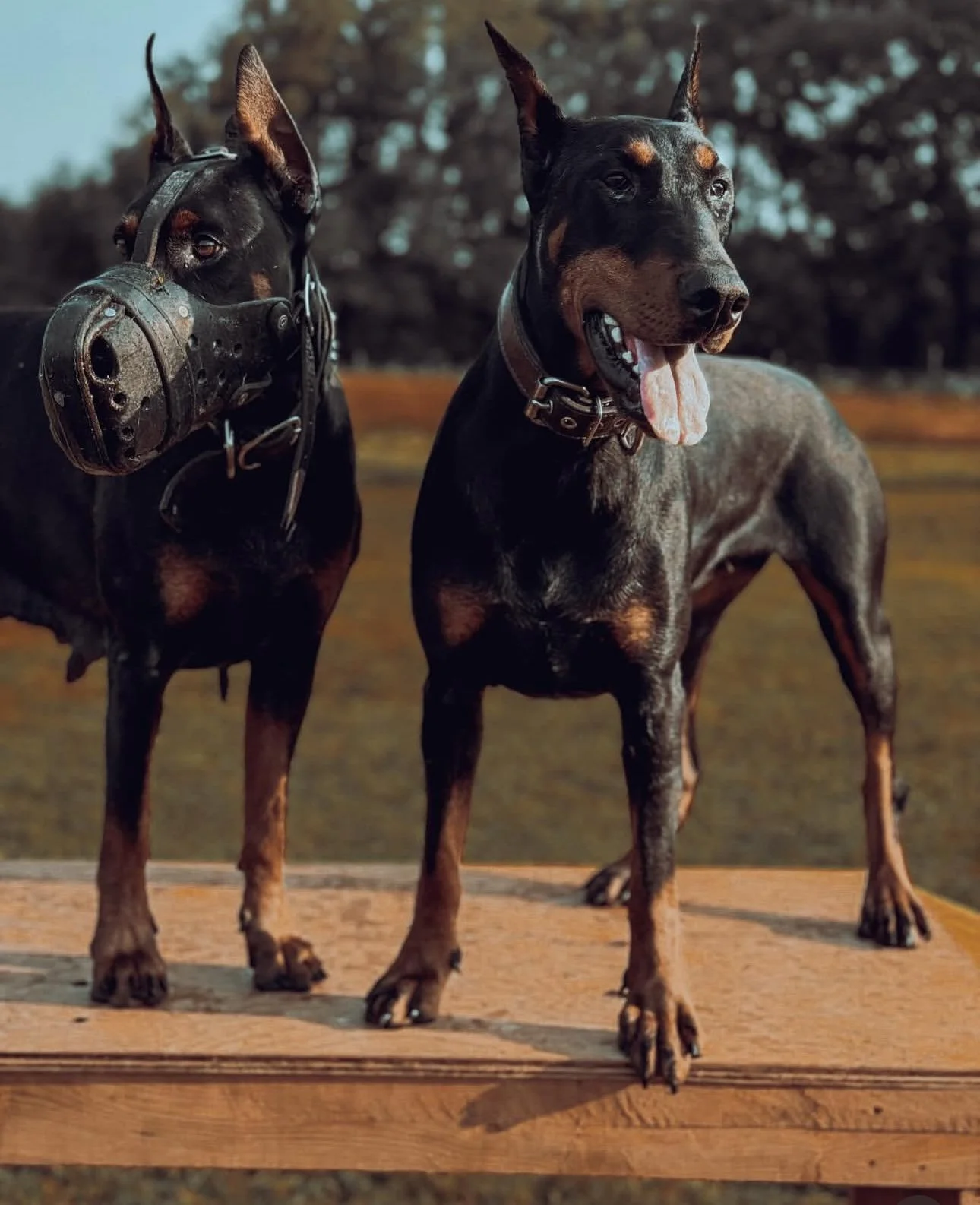
Temperament expectations at black hill dobermans
Structure, Drives, and Workability
The European Doberman Pinscher is a purpose-bred working dog. Temperament is not accidental in this breed—it is the result of intentional selection for stability, drive, resilience, and cooperation with a handler. Understanding these traits is essential for both breeders and owners.Our journey has been anything but ordinary. Through every step, we've focused on staying true to our values and making space for thoughtful, lasting work.
What began as a passion project has evolved into something more. We’re proud of where we’ve been and even more excited for what’s ahead. What sets us apart isn’t just our process—it’s the intention behind it. We take time to understand, explore, and create with purpose at every turn.
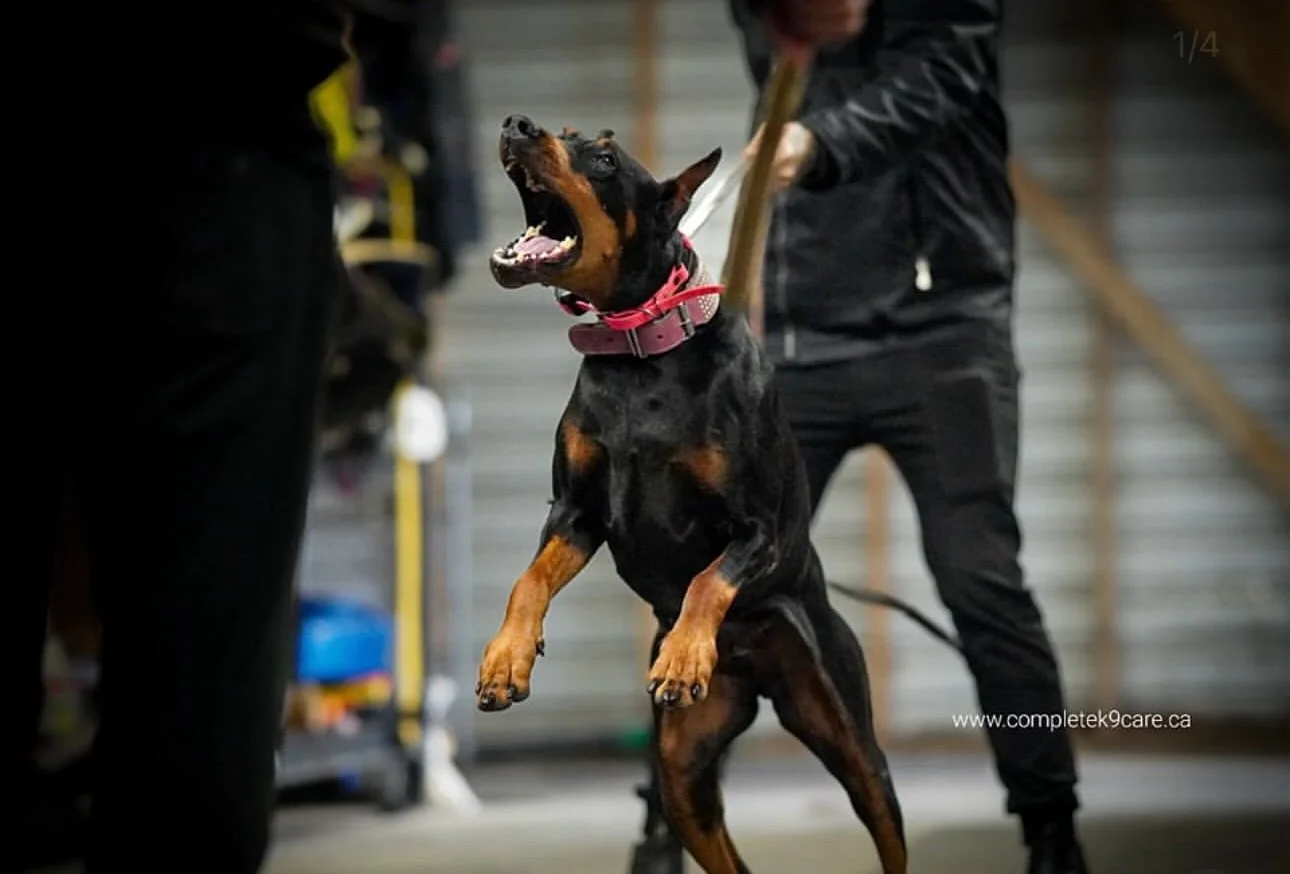
Stable Temperament: The Foundation
A stable temperament is the cornerstone of a correct European Doberman.
Stable temperament means:
Clear-headed and environmentally sound
Confident without unnecessary reactivity
Able to recover quickly from stress or correction
Socially neutral when appropriate, engaged when asked
Capable of distinguishing real threat from everyday stimulus
Stability allows a Doberman to work under pressure, think clearly, and remain reliable in both training and daily life. Stability is not the absence of drive—it is the ability to control and channel drive appropriately.
High Food Drive
Many European Dobermans exhibit high food drive, which refers to a strong motivation to work for food rewards.
What this means:
Fast learning and strong engagement in training
High repetition tolerance
Excellent response to marker-based training systems
Increased focus and precision in obedience work
High food drive enhances trainability, especially in:
Puppy foundation work
Advanced obedience
Precision behaviors and duration exercises
Food drive is a powerful tool for building behaviors before transitioning to other reinforcers.
High Prey Drive
Prey drive is a natural instinct related to chasing, gripping, and possessing moving objects.
In European Dobermans, high prey drive means:
Strong interest in toys, movement, and games
Intense focus when aroused
Natural suitability for bite-based or chase-based work
Prey drive is not aggression. It is a motivational system that, when properly managed, fuels enthusiasm and performance.
Drive Balance and Workability
Workability is the dog’s ability to apply drive productively under direction.
A workable European Doberman:
Can access high drive when asked
Can disengage and settle when work is finished
Maintains clarity under arousal
Responds to structure and expectations
True workability comes from the combination of drive and stability, not from drive alone.

High Energy: What It Really Means
European Dobermans are often described as high energy, but this is frequently misunderstood.
High energy does not mean:
Constant chaos
Unmanageable hyperactivity
Endless physical exercise requirements
High energy does mean:
Strong desire to work
Need for mental engagement
Thriving with routine, structure, and purpose
Without direction, energy becomes frustration. With structure, energy becomes performance.
Expectations and Management
This breed is not self-managing. Proper temperament expression requires:
Consistent daily structure
Clear boundaries and rules
Mental work equal to physical exercise
Purpose-driven outlets
Management is not suppression—it is guidance.
Well-managed European Dobermans are calm, neutral, and predictable in the home while remaining intense and driven in work.

Temperament and Sport Suitability
Protection Sports (IGP, PSA, Mondioring)
Stable nerves allow pressure tolerance
Prey and food drive build motivation
Clear-headed temperament supports control and obedience phases
Advanced Obedience
High food drive supports precision and duration
Stability allows focus in distracting environments
Work ethic supports complex behavior chains
Barn Hunt
Prey drive fuels instinctual engagement
Confidence supports independent problem-solving
Energy and persistence enhance performance
Dock Diving
Prey drive motivates toy-focused launching
Physical confidence supports explosive movement
Drive balance allows repetition without stress
Why Temperament Matters in Breeding
Temperament is heritable. Breeding for correct European Doberman temperament means selecting dogs who demonstrate:
Consistent stability across environments
Strong, usable drives
Ability to work with a handler
Clear off-switch when not working
This balance produces dogs capable of serious work while still being reliable companions.
Key Takeaways
European Dobermans are driven, stable working dogs
High food and prey drive enhance trainability and performance
Stability allows drive to be used productively
High energy requires structure, not constant activity
Proper temperament creates versatility across multiple working sports